Oil, filter, plugs & baseline service
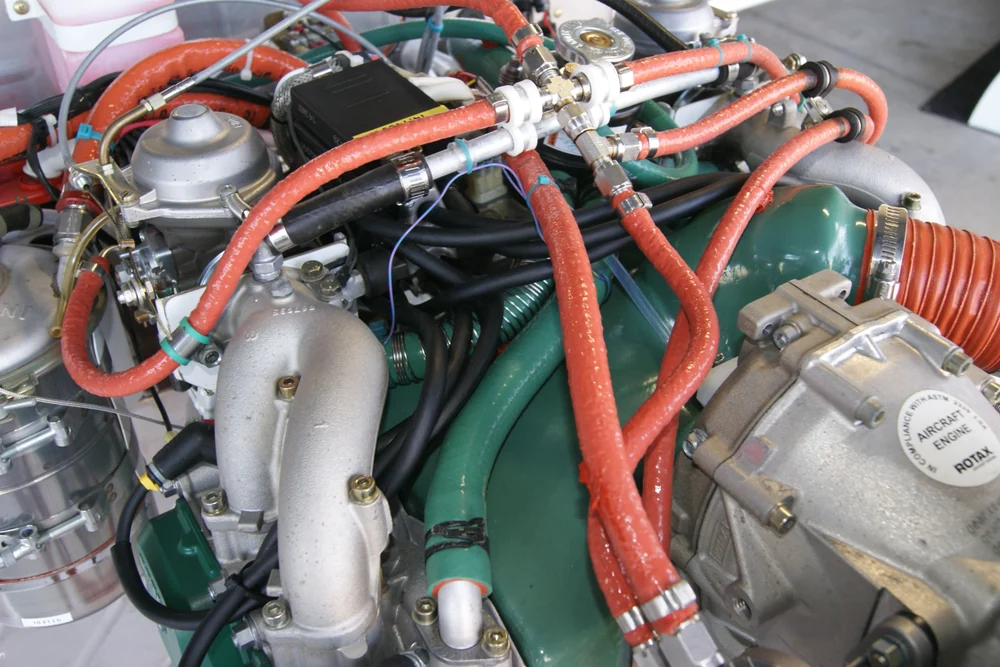
The most common scheduled-service entry point: oil change planning, filter inspection, spark plug context, fuel-use history, and records review.
Rotax aircraft engine systems
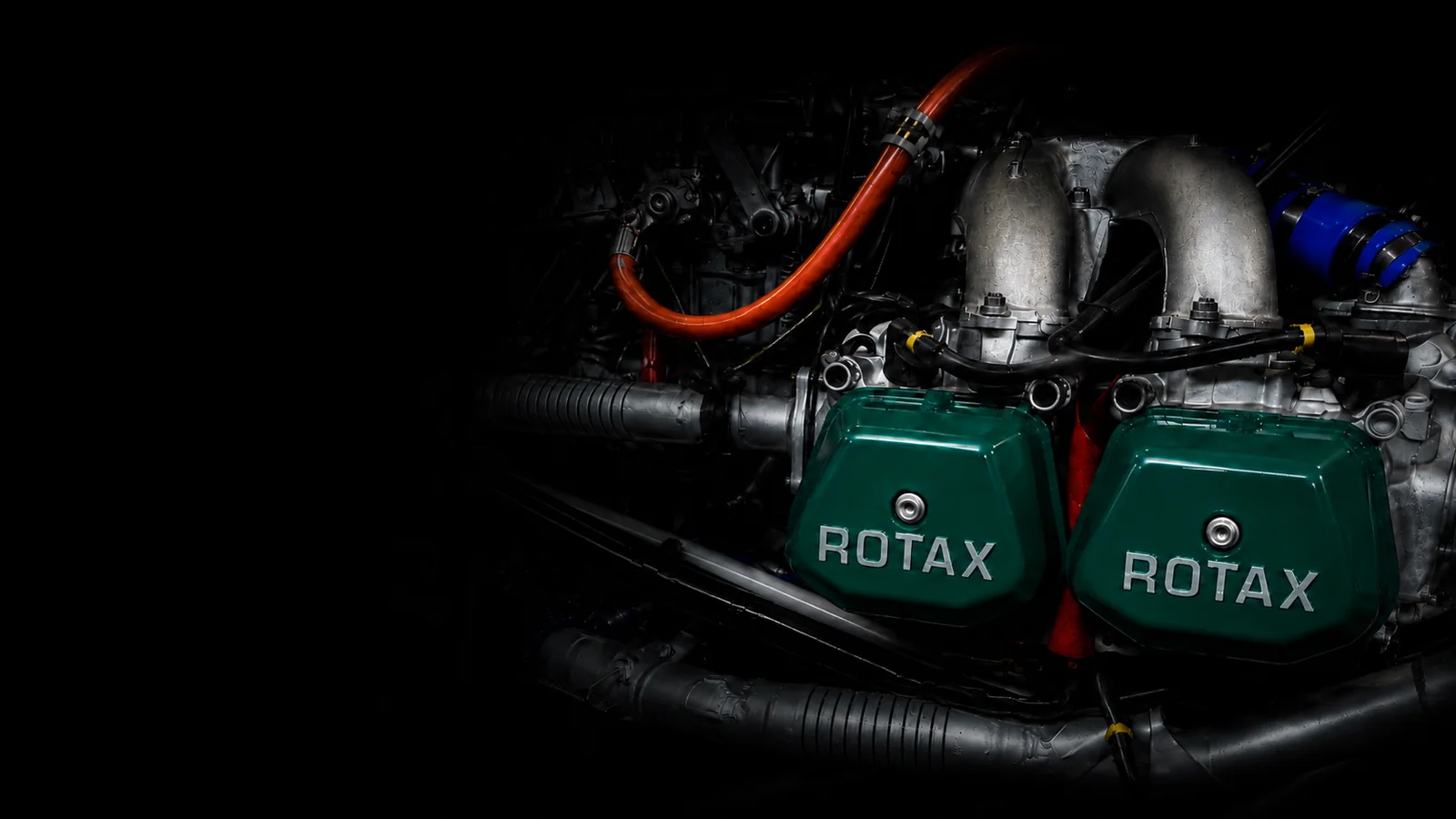
ROTAX912 / 914 / 915 iS / 916 iS systems support
Use this page when the aircraft has a Rotax-engine-system question: scheduled service, five-year rubber and hoses, fuel delivery, ignition/electronics, cooling, vibration, turbo/EMS warnings, installation review, or records planning. The model matters, but the owner path starts with the symptom, aircraft, records, and installed configuration.
Most Common Rotax Owner Calls
The first screen after the hero now routes by real owner demand: scheduled service first, then the common system complaints that generate phone calls. Final scope still depends on current manuals, aircraft documents, engine configuration, records, installed equipment, and certificate privileges.
The most common scheduled-service entry point: oil change planning, filter inspection, spark plug context, fuel-use history, and records review.
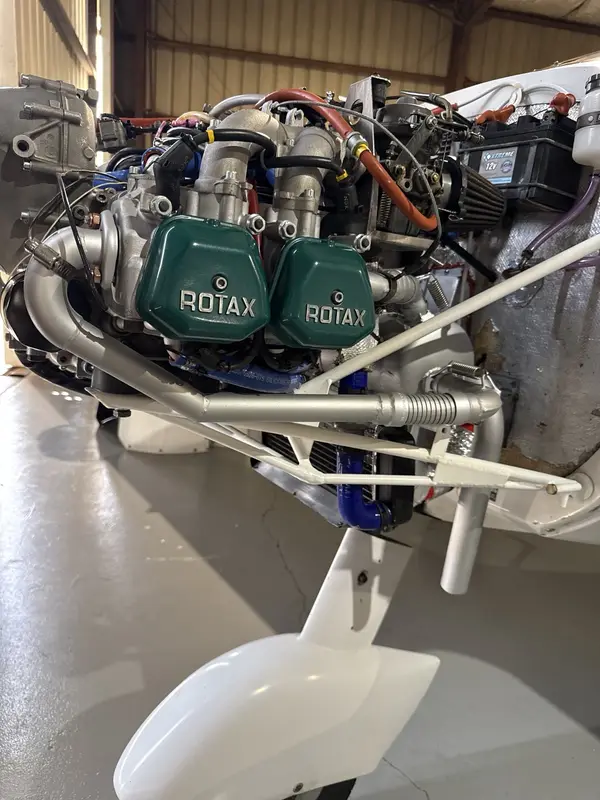
Fuel, oil, coolant, intake rubber, clamps, leak-source tracing, refill, synchronization, run, leak-check, and documentation as applicable.
Fuel-pressure warnings, pump condition, vapor symptoms, filters, contamination, hose routing, carburetor/injector context, and uneven running.
Electrical and engine-management support for ignition, charging, grounds, connectors, sensor faults, EMS messages, and injected-engine context.
Carburetor balance where applicable, throttle-cable behavior, intake leaks, idle quality, vibration, and recent carb or rubber work.
Ignition-drop data, plug condition, module behavior, temperature dependence, fuel context, and recent maintenance history.
Coolant loss, high oil temperature, high CHT, trapped air, radiator airflow, oil cooler behavior, and verified operating data.
Cooling layout, fuel routing, oil routing, exhaust, controls, chafe, access, documentation, service bulletins, and configuration questions.
RPM range, recent propeller work, prop balance, gearbox chatter, kickback, shock loading, and measured vibration evidence.
Turbocharger, intercooler, exhaust, fuel pressure, sensor faults, engine-management warnings, and installation context.
What To Send First
A useful first request does not need to be a maintenance worksheet. Send the N-number or tail number, aircraft location, engine model if known, what changed, when it happens, and any recent maintenance or clear fault message.
If the issue points toward records, photos, operating data, propeller details, airfield tools, or manufacturer coordination, those details can be requested after intake.
Focused System Review
A reported value, a verified value, and a maintenance conclusion are not the same thing. Fuel, induction, cooling, oil, electrical, propeller, gearbox, records, and installation details can all affect the next step.
No support activity is controlled until aircraft, location, symptom, and next action are captured. The goal is not to guess faster; the goal is to move from uncertainty to a clear next step.
912 / 914 / 915 iS / 916 iS Detail
Rotax support Charlotte NC, Rotax engine systems shop, and Rotax service Carolinas requests often begin with a single issue: oil service, rubber hoses, fuel lines, fuel pump, fuel pressure, carb sync, ignition drop, high oil temperature, ECU/EMS messages, or propeller vibration. Lima Charlie Aero LLC keeps those clues organized before work scope is discussed.
Work scope depends on documents, records, configuration, symptom, applicable instructions, tooling, parts, location, and certificate privileges.
Left/right drop, RPM used for check, temperature, roughness, recent maintenance, and fuel context.
Rough idle, vibration, throttle/choke cable condition, intake leaks, carb sync history, and fuel condition.
Oil temperature, coolant behavior, airflow, pressure readings, installation details, and operating context.
Hoses, sockets, seals, leaks, routing, age, maintenance records, and inspection planning.
Beyond Engine-Only Troubleshooting
Light-sport aircraft support Charlotte, SLSA / ELSA support, experimental aircraft support, E-PROPS dealer support, aircraft records review, and light-sport prebuy questions are handled with the same documentation-first discipline.
Support may include records review, maintenance planning, Rotax or propeller context review, and owner coordination where the aircraft documents and applicable privileges support the requested scope.
Propeller vibration support can include propeller and gearbox interaction review, prop balancing support or coordination, manufacturer documentation review, and operating-condition intake.
LOA-related documentation support, manufacturer coordination, engineering packet support or coordination, propeller coordination, and cracked engine cage documentation support are organized without implying approval authority.
Flight school Rotax support may include repeat squawk tracking, records review, scheduling coordination, and support planning for Rotax-powered training aircraft by appointment.
Training / Credential Context
RFSC / Rotax iRMT service-rated training includes 9 Series Service, 9 Series Maintenance, and Injected Installation. The listing can be verified here.
Credentials do not replace aircraft-specific maintenance manuals, operating limitations, service bulletins, safety directives, required records, or the certificate/rating privileges needed for a specific task.
N-number if known, aircraft location, engine model, short symptom description, recent maintenance if known, and any clear fault messages or operating conditions.