Buyer Risk Reduction
Light-Sport Aircraft Prebuy Evaluation
The cheapest inspection is the one performed before you own the problem. Prebuy support focuses on aircraft documents, Rotax status, maintenance history, and risk flags before the purchase decision hardens.
Request SupportPrebuy Scope
Start with records before travel or escrow pressure.
A useful prebuy evaluation looks at the aircraft identity, airworthiness category, operating limitations, engine configuration, inspection history, damage history, parts support, and unresolved records questions.
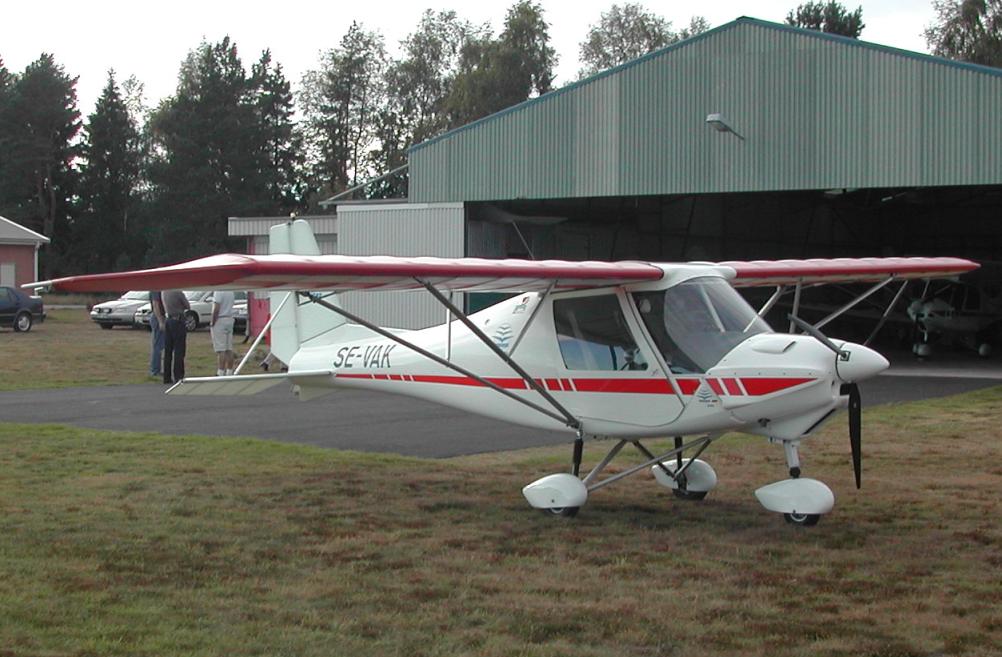
Useful before purchase
Remote records review can identify questions for the seller before a physical aircraft visit is scheduled.
Prebuy Checklist
High-value items to review.
Output
Clear questions before money changes hands.
A prebuy records pass can produce risk flags, missing-record questions, directive status questions, and recommended next steps for the buyer to resolve with the seller.
Ready to begin?
Send seller documents, aircraft photos, engine data, location, timeline, and any known squawks.
Request SupportRisk Control
A prebuy is risk control, not a guarantee.
A prebuy evaluation should reduce uncertainty before the buyer is under travel pressure, escrow pressure, seller pressure, or schedule pressure. It cannot guarantee future condition and it should not pretend to. The value is in organizing the aircraft story before the decision hardens.
Records before travel can expose missing operating limitations, unclear inspection status, incomplete Rotax maintenance entries, unresolved damage questions, weak seller answers, or category-related issues that should be understood before showing up at the aircraft.
Rotax and Installation Review
The engine is only one part of the question.
A Rotax-powered light-sport prebuy should look at engine model, configuration, installation context, cooling layout, fuel system history, rubber age, gearbox/propeller interface, ignition or EMS history, and whether maintenance entries are specific enough to be useful.
Installation details matter because many engine complaints start outside the engine itself. Cooling airflow, oil cooler placement, fuel routing, exhaust condition, wiring, sensors, and service access can affect serviceability even when the logbooks look orderly.
Category and Documents
S-LSA, E-LSA, and E-AB status changes the review.
The airworthiness category, operating limitations, manufacturer instructions, and certificate/rating boundary affect what can be inspected, maintained, or signed off. A buyer should know whether the aircraft documents support the seller's claims before money changes hands.
Useful questions before escrow pressure include: Are the operating limitations available? Is the most recent condition inspection clear? Do logbook entries identify who performed the work? Are Rotax service bulletins or safety directives addressed? Are damage repairs documented? Is the aircraft configuration consistent with the records?
Remote vs physical
Remote review can evaluate records, photos, seller answers, and obvious risk flags. Physical inspection is still needed for condition, fit, leaks, corrosion, wear, rigging, system operation, and hidden damage. A good prebuy path separates what can be reviewed remotely from what must be seen on the aircraft.
Request SupportBuyer Output
Useful answers before the decision point.
A strong prebuy does not bury the buyer in trivia. It should identify the items that affect value, airworthiness confidence, operating risk, future maintenance cost, and negotiating leverage. Some findings may be simple document questions for the seller. Others may point to a physical inspection item, a required manual reference, a Rotax record question, or a reason to slow the purchase process down.
Seller Coordination
Pressure changes the quality of the review.
The earlier the aircraft records are gathered, the better the review can be controlled. When logbooks, operating limitations, photos, and engine information arrive late, the buyer can end up making decisions from incomplete information. Lima Charlie Aero LLC keeps the first step focused: define the aircraft, organize the documents, separate missing information from confirmed findings, and identify the next question before travel or money creates pressure.